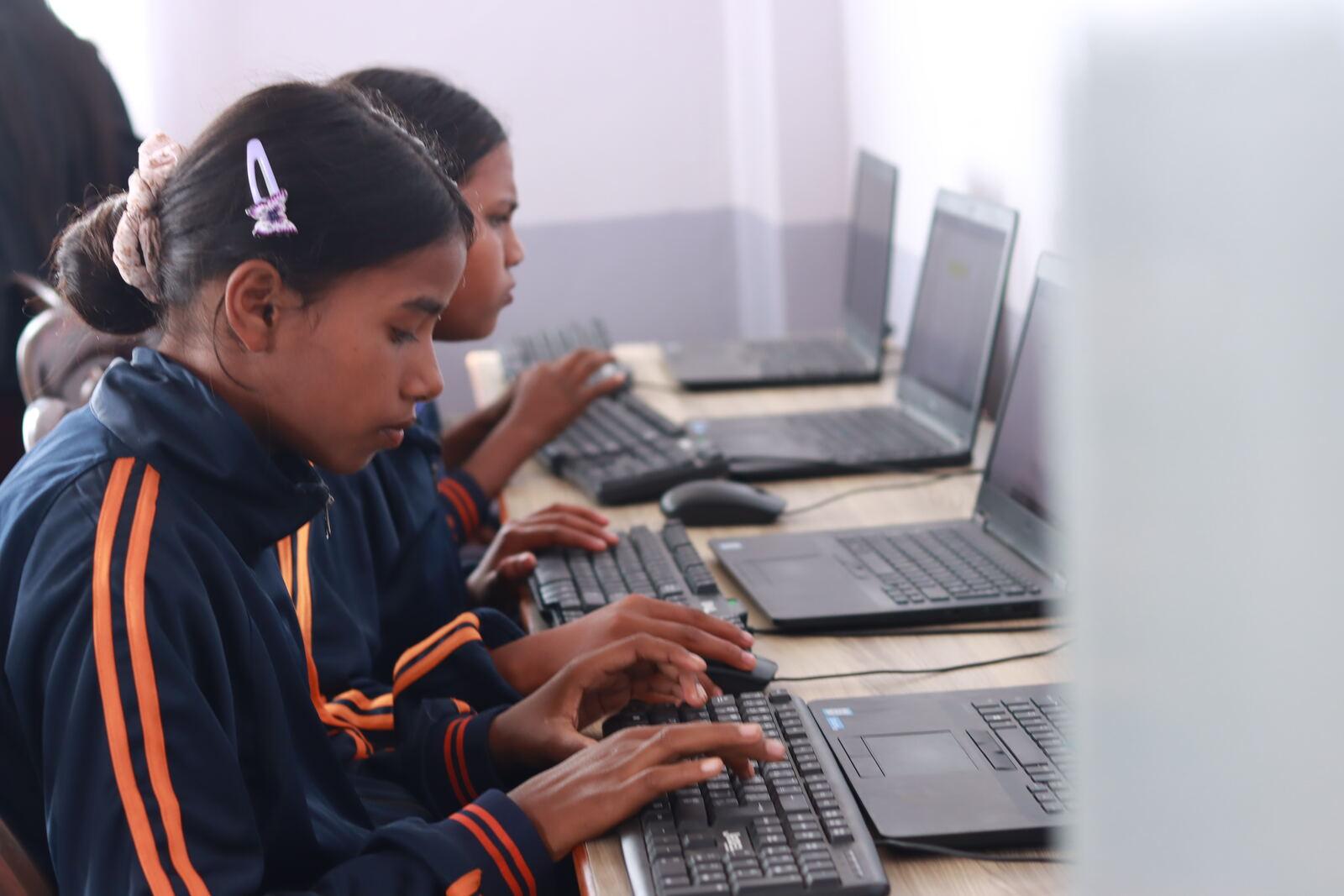
Confident, capable, caring
Our oldest students take on more responsibility: they study more subjects, use computers, lead projects and speak up, ready for the next stage of their education.
Thinking for themselves
In Grades 4 to 6 children move from learning to read to reading to learn. Lessons ask them to explain, compare, experiment and solve problems, not just memorise.
They also lead: running assemblies, voting in the school election, helping younger children and presenting projects to parents. Balan now teaches up to Grade 6, and we plan to grow step by step up to +2.
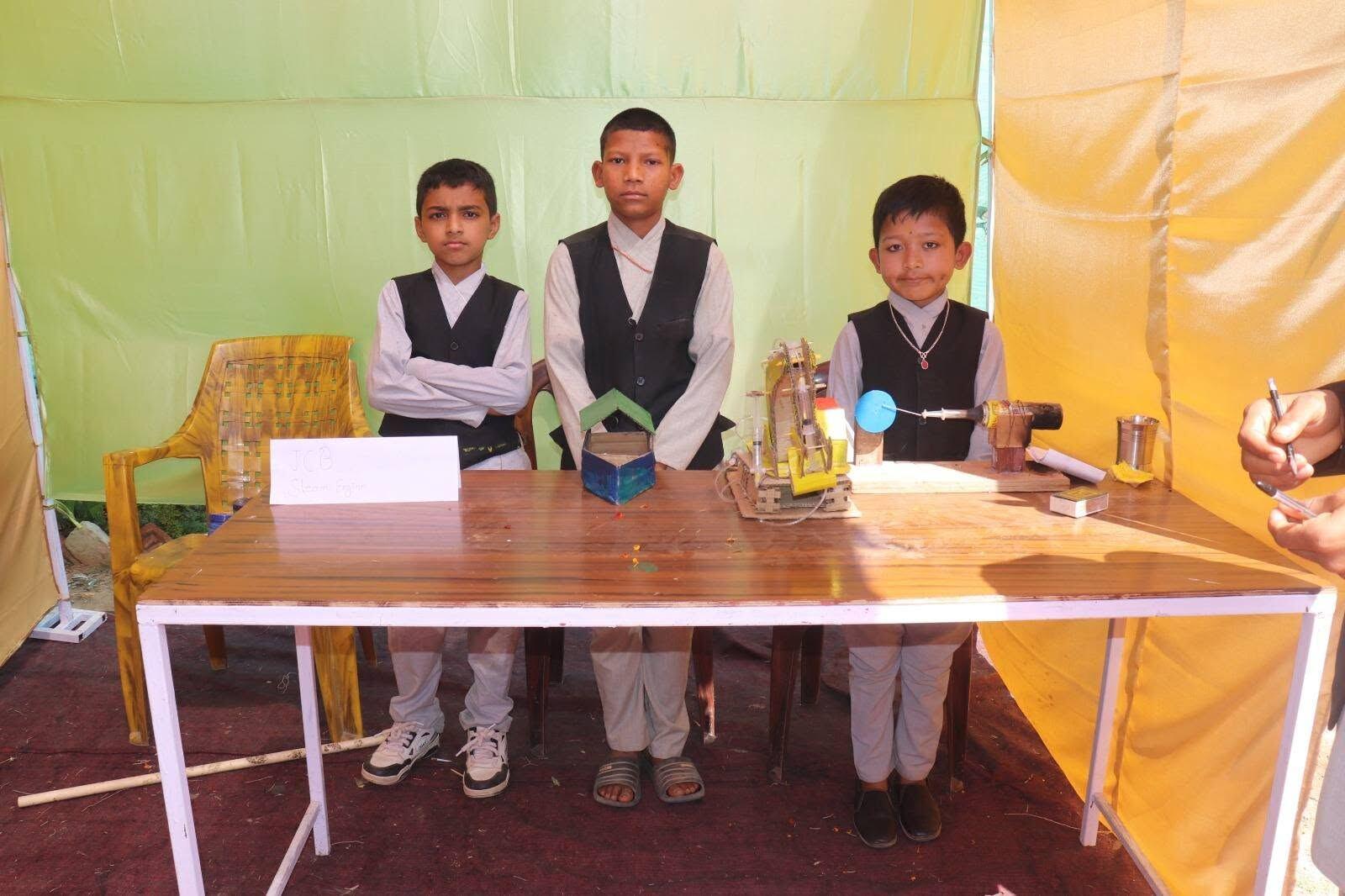 Science project presentation
Learning areas in Upper Primary
Nepali & English
Comprehension, grammar, essays, letters, poems and confident speaking in both languages.
Mathematics
Fractions, decimals, percentages, geometry, measurement and word problems from daily life.
Science & environment
Living things, the human body, matter, energy and simple experiments and projects.
Social studies
Nepal's geography, history, culture, government and our rights and duties as citizens.
Computer
Typing, using a computer safely, drawing, word processing and the basics of the internet.
Leadership & life skills
School election, assemblies, teamwork, health, money sense and caring for the community.
A day in Upper Primary
- Morning
Student-led assembly
Students take turns presenting news, thoughts of the day and short speeches.
- First periods
Core subjects
Mathematics, languages and science with discussion and practice.
- Break
Snack & sports
Football, badminton and games in the courtyard.
- Mid-day
Computer lab or project work
Hands-on computer classes and group projects.
- Afternoon
Social studies & activities
Social studies, music, art, library reading or sports practice.
- End of day
Plan & review
Homework planning and a short review of the day's learning.
The order of the day changes with the timetable and the season.
By the end of Upper Primary, children…
- Read and understand textbooks independently
- Write essays, letters and reports in Nepali and English
- Solve multi-step maths problems from daily life
- Use a computer to type and create simple documents
- Plan and present a project to an audience
- Show leadership, honesty and care for younger students
How we follow progress
Continuous assessment
Homework, class tests, projects, presentations and participation all count towards the term.
Terminal & final exams
Terminal examinations prepare students calmly for the next grade, with feedback on every paper.
Progress meetings
Parents and teachers review results together and agree targets for the next term.
How parents can help at home
- 1Encourage reading beyond textbooks: newspapers, storybooks, signs.
- 2Ask your child to explain what they learned today; teaching is the best revision.
- 3Agree on limited, useful screen time.
- 4Celebrate effort and improvement, not only marks.
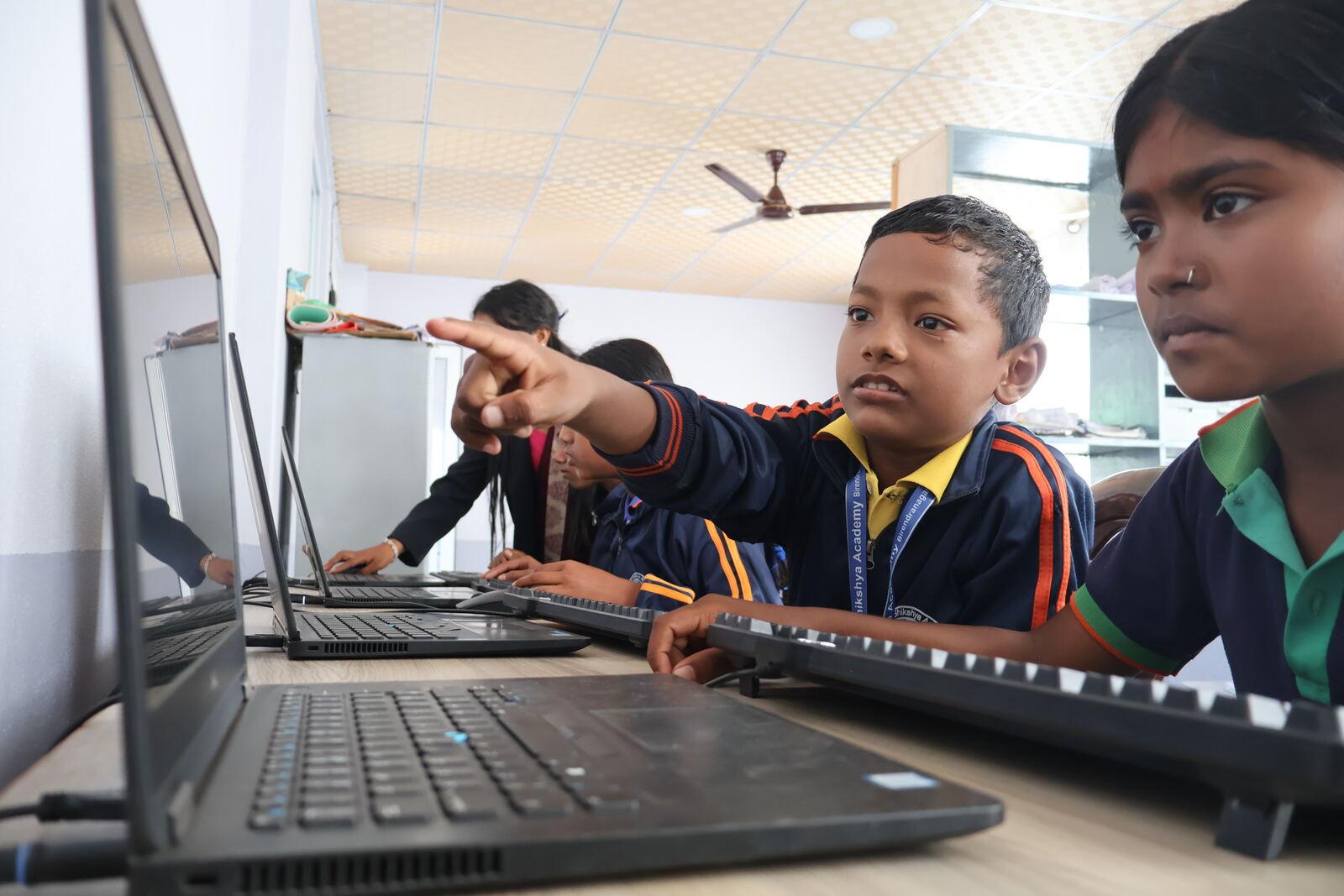 Computer class
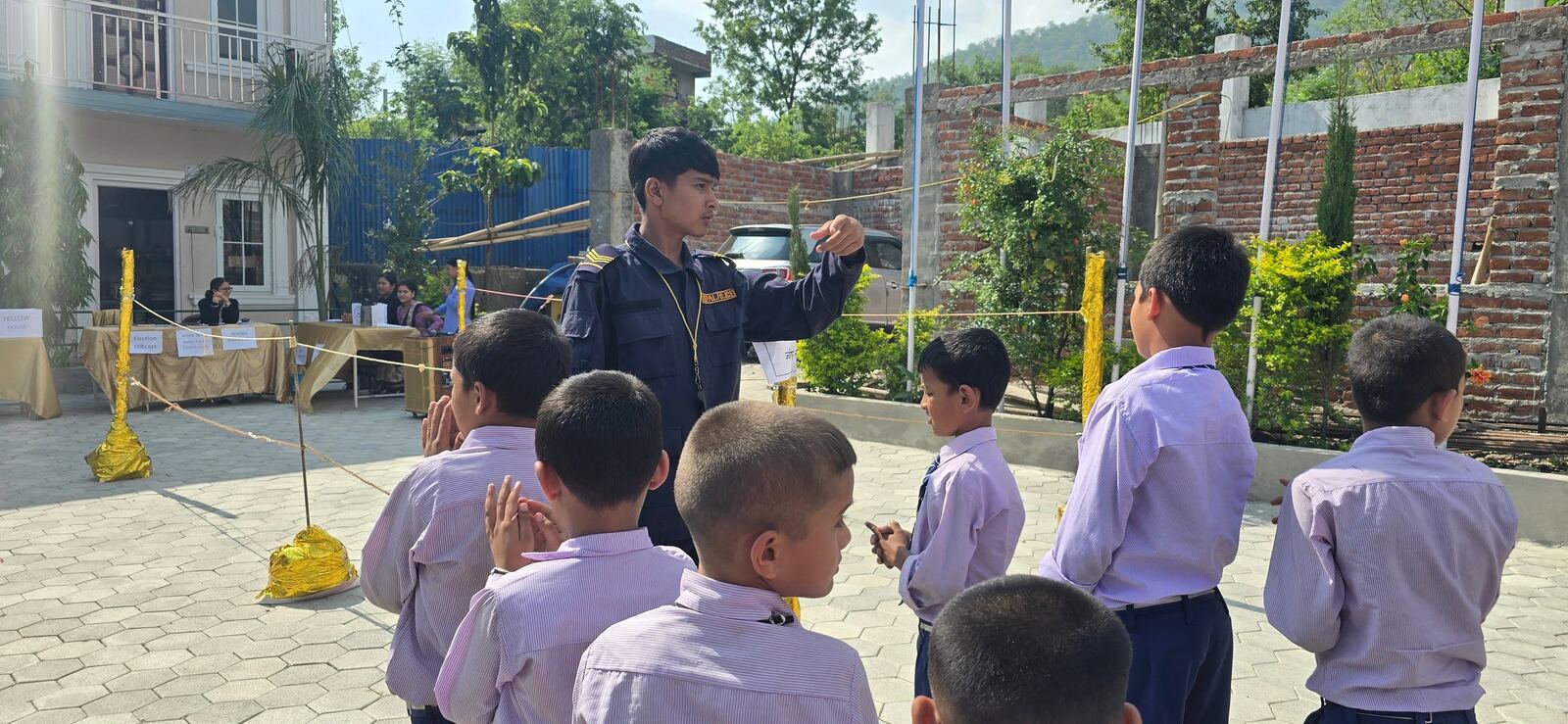 School election
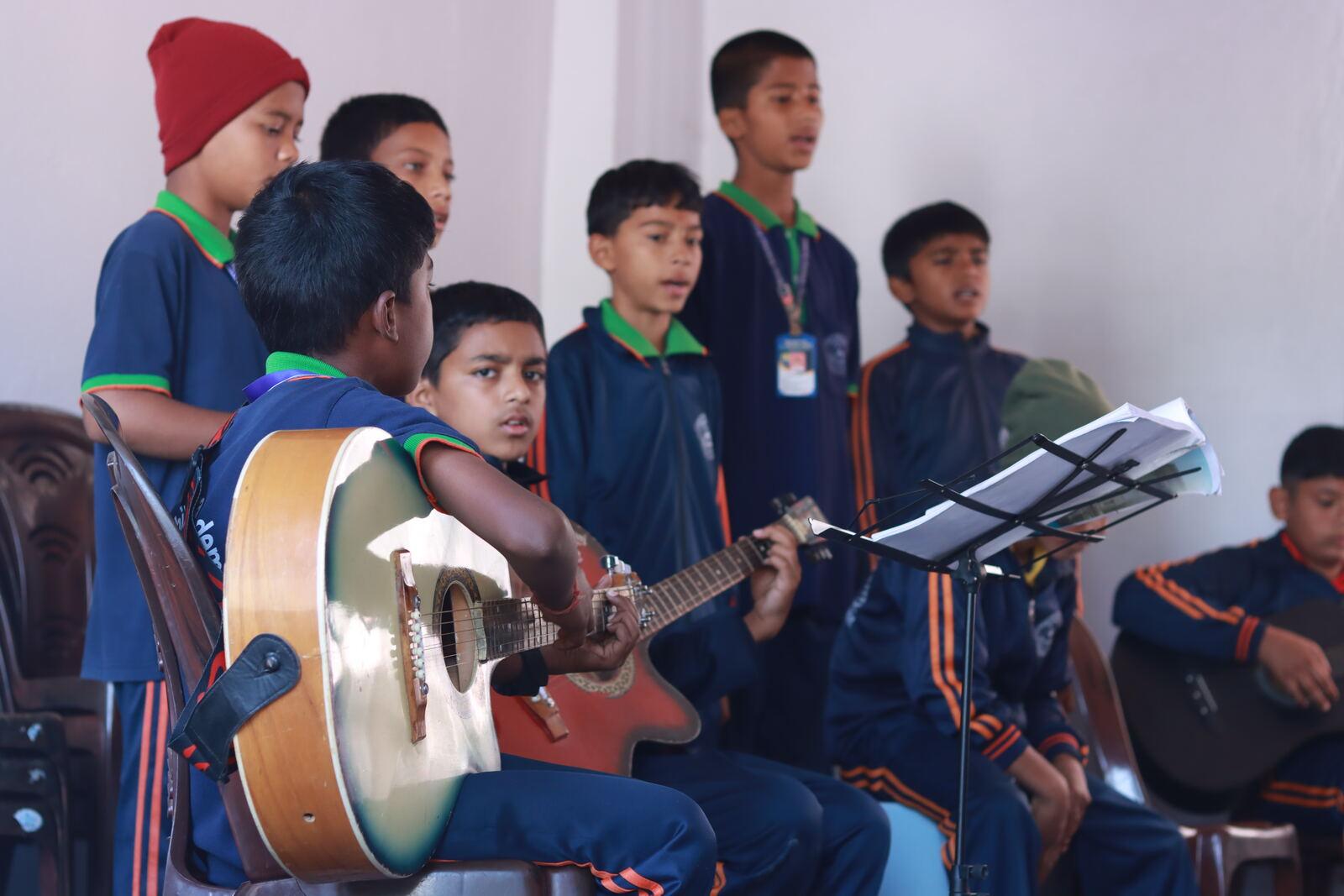 Music lessons
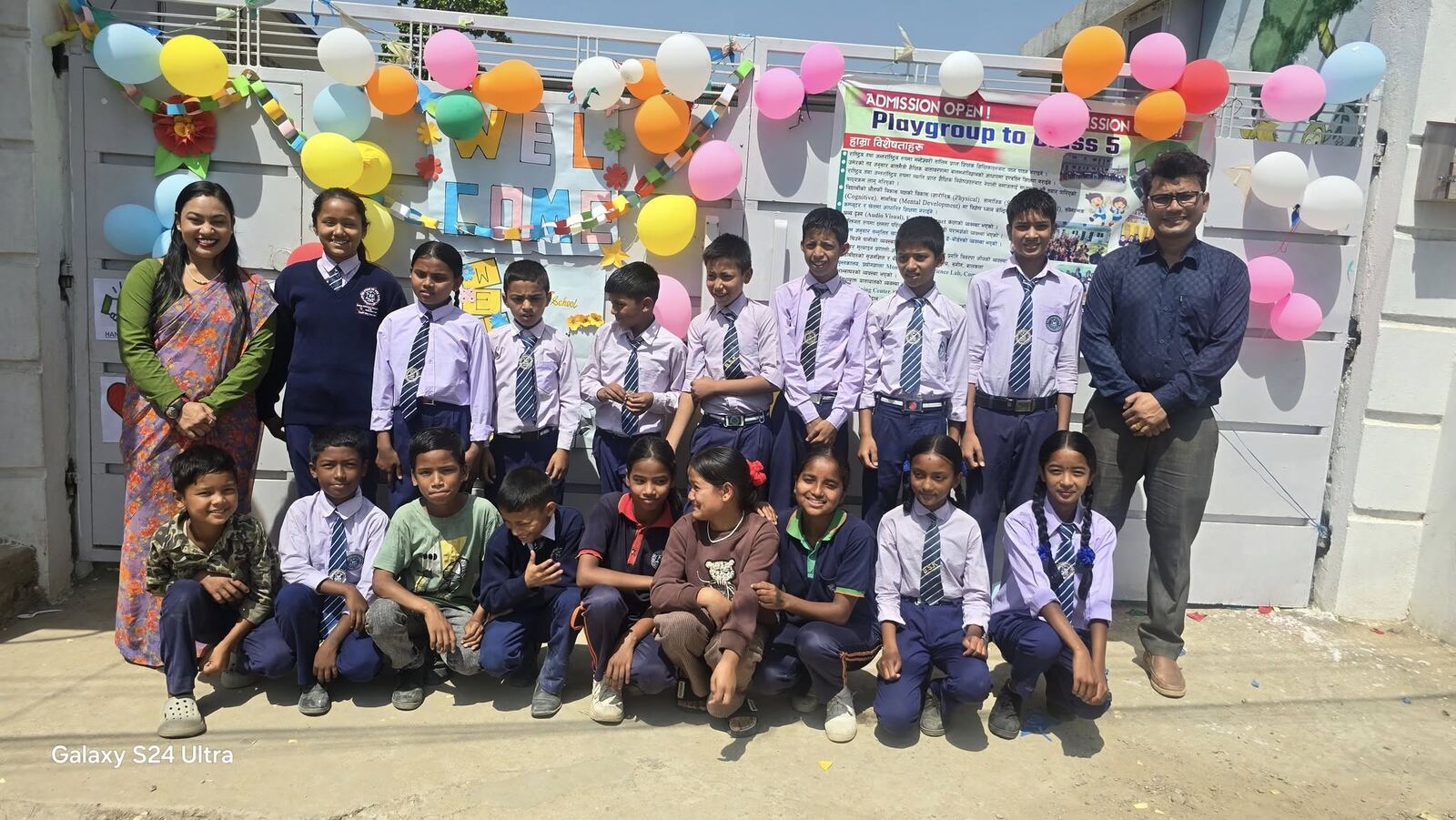 Our senior students
Admission open for Grades 4 – 6
Visit our classes, meet the teachers and ask about scholarships. Call 083-591535.