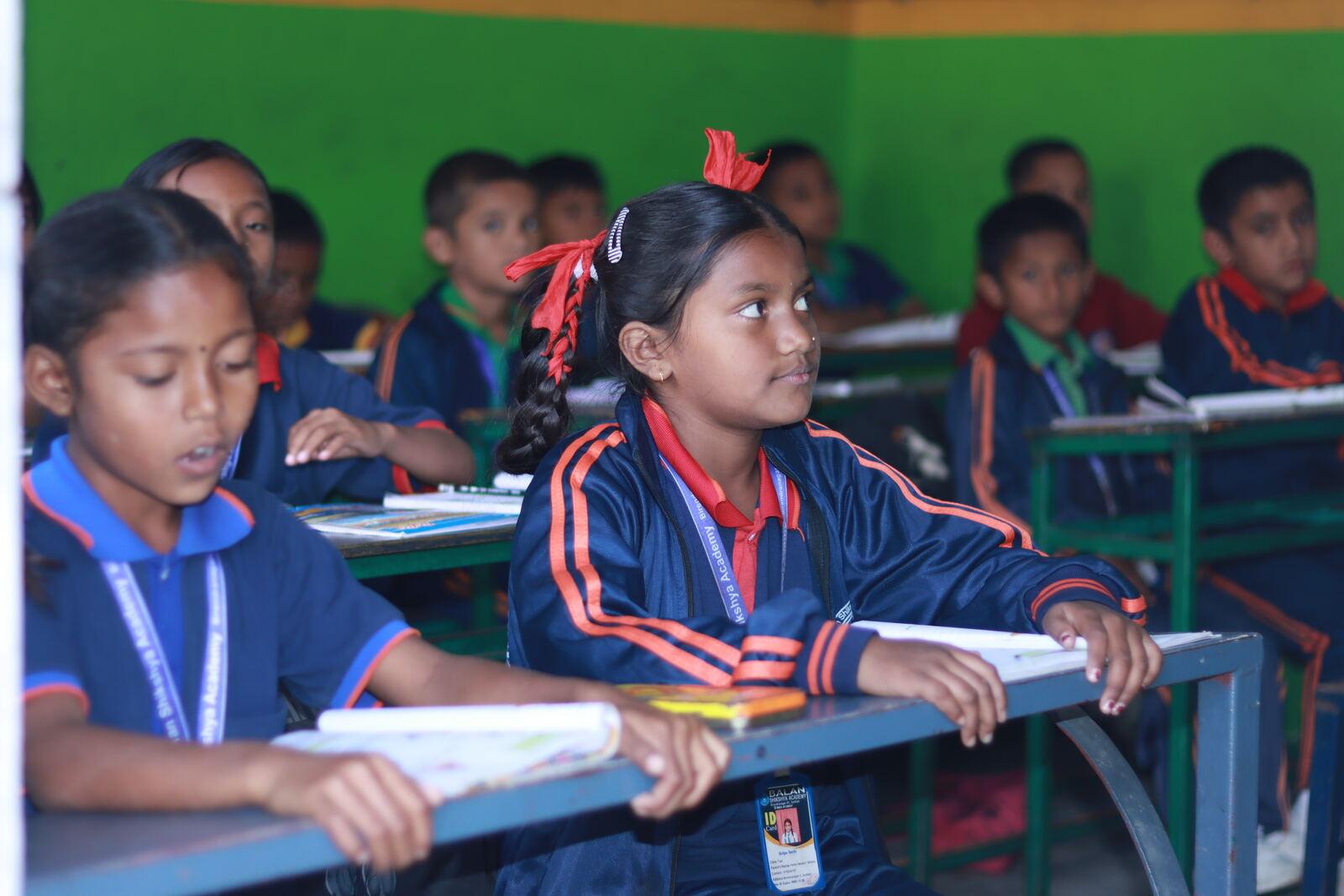
Strong roots, bright minds
The years when children become readers, writers and confident problem-solvers. We follow the national curriculum with practical, joyful lessons and small classes.
From play to purposeful learning
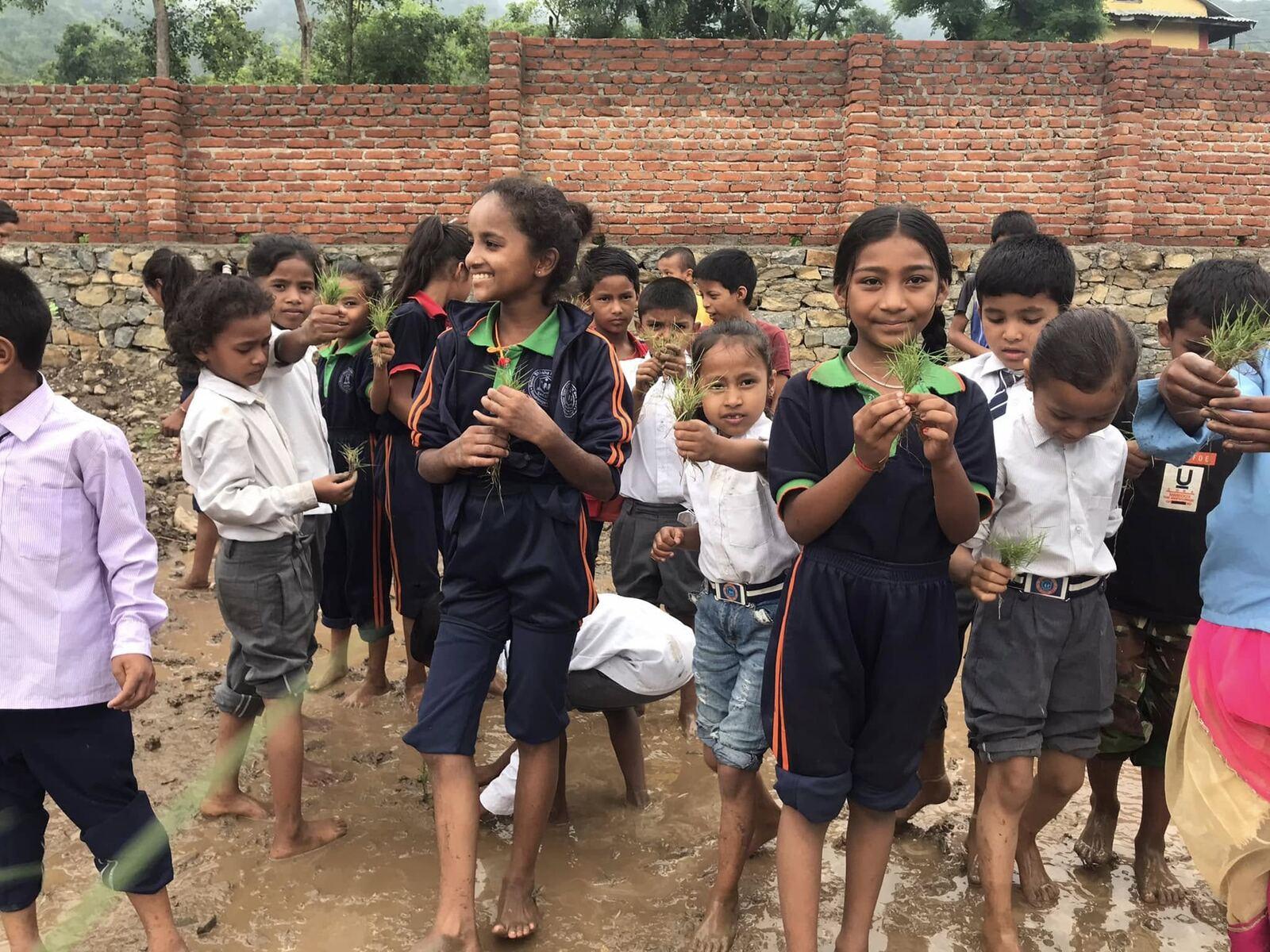
Children move from the free exploration of Montessori into a more structured school day, but learning stays active: group work, songs, stories, games and real objects make every concept clear.
Many of our children are the first in their families to go to school. Patient teachers and personal mentoring make sure every child keeps up, and extra help is always there for anyone who needs more time.
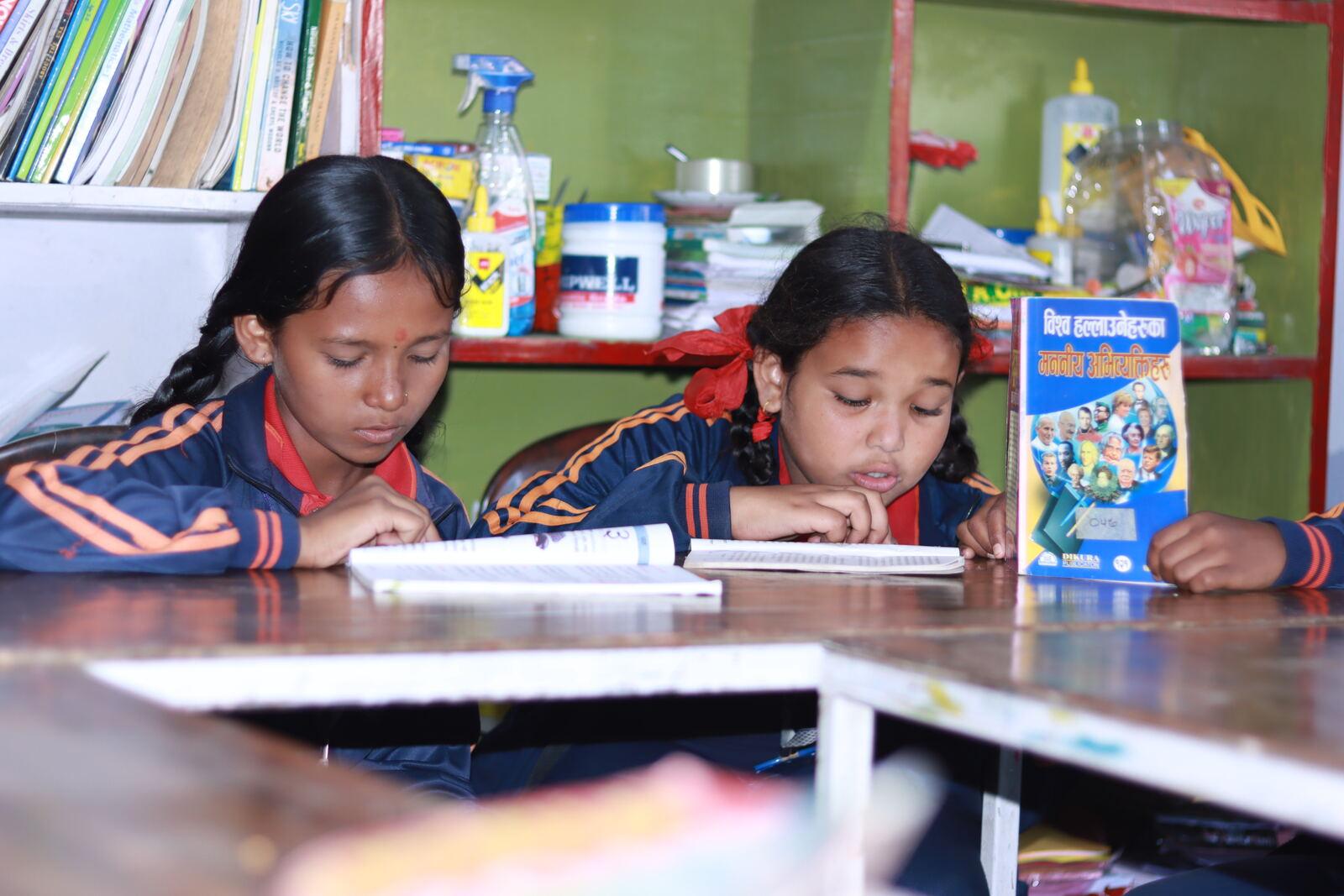
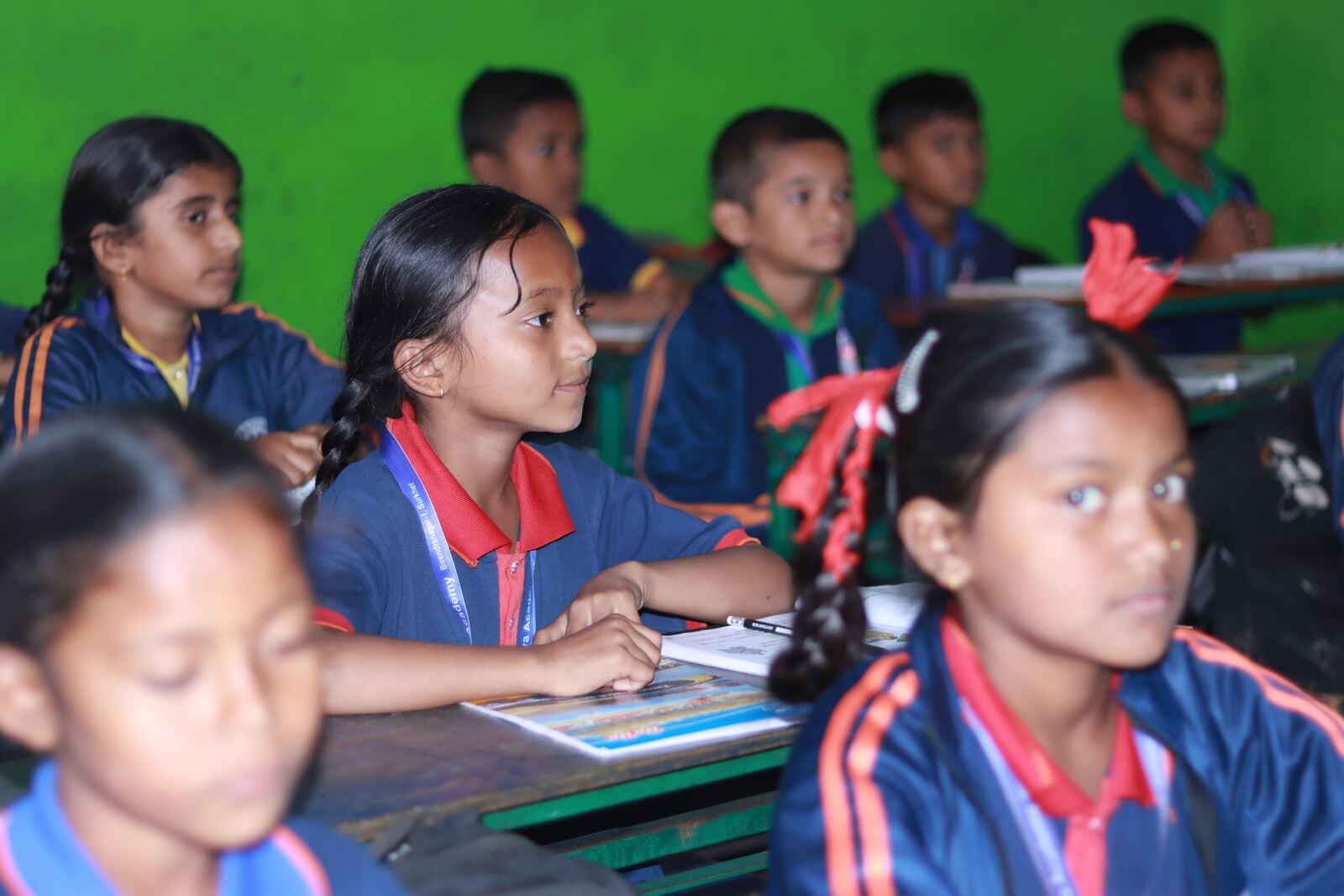 Grade students at work
Learning areas in Lower Primary
Nepali
Reading fluently, writing neat sentences, poems, stories and correct spelling in our mother tongue.
English
Phonics, reading simple books, everyday conversation, spelling and writing short paragraphs.
Mathematics
Place value, addition and subtraction, early multiplication, money, time, shapes and measurement with real objects.
Our surroundings (Hamro Serophero)
Family, community, health, plants, animals, weather and simple science through observation and questions.
Art, music & craft
Drawing, colouring, craft, songs and dance that build creativity and fine motor skills.
Health, PE & values
Daily play, games, hygiene habits, honesty, respect and caring for the environment.
A day in Lower Primary
- Morning
Assembly
Prayer, national anthem, exercise and a thought for the day in the courtyard.
- First periods
Language & maths
Reading, writing and number work when minds are freshest.
- Break
Snack & play
Handwashing, snack and games with friends.
- Mid-day
Our surroundings & projects
Hands-on lessons, group activities and small projects about the world around us.
- Afternoon
Art, music or sports
Creative and physical activities that balance the day.
- Before home
Story & reflection
A story or reading time and a quick look back at what we learned.
The order of the day changes with the timetable and the season.
By the end of Lower Primary, children…
- Read short stories fluently in Nepali and English
- Write clear sentences and short paragraphs
- Add, subtract and begin to multiply with confidence
- Tell time, use money and measure simple things
- Speak in front of the class without fear
- Keep themselves and their classroom clean and tidy
How we follow progress
Continuous assessment
Class work, reading checks, projects and participation are recorded through the term, as encouraged by the national curriculum.
Terminal evaluations
Simple, child-friendly terminal evaluations show progress, without pressure or ranking stress.
Report & meeting
Parents receive a progress report and meet teachers to plan the next steps together.
How parents can help at home
- 1Listen to your child read aloud for 10 minutes every day.
- 2Ask your child to count money or tell the time at home.
- 3Give a quiet corner and a fixed time for homework.
- 4Talk with your child about school: what made them happy today?
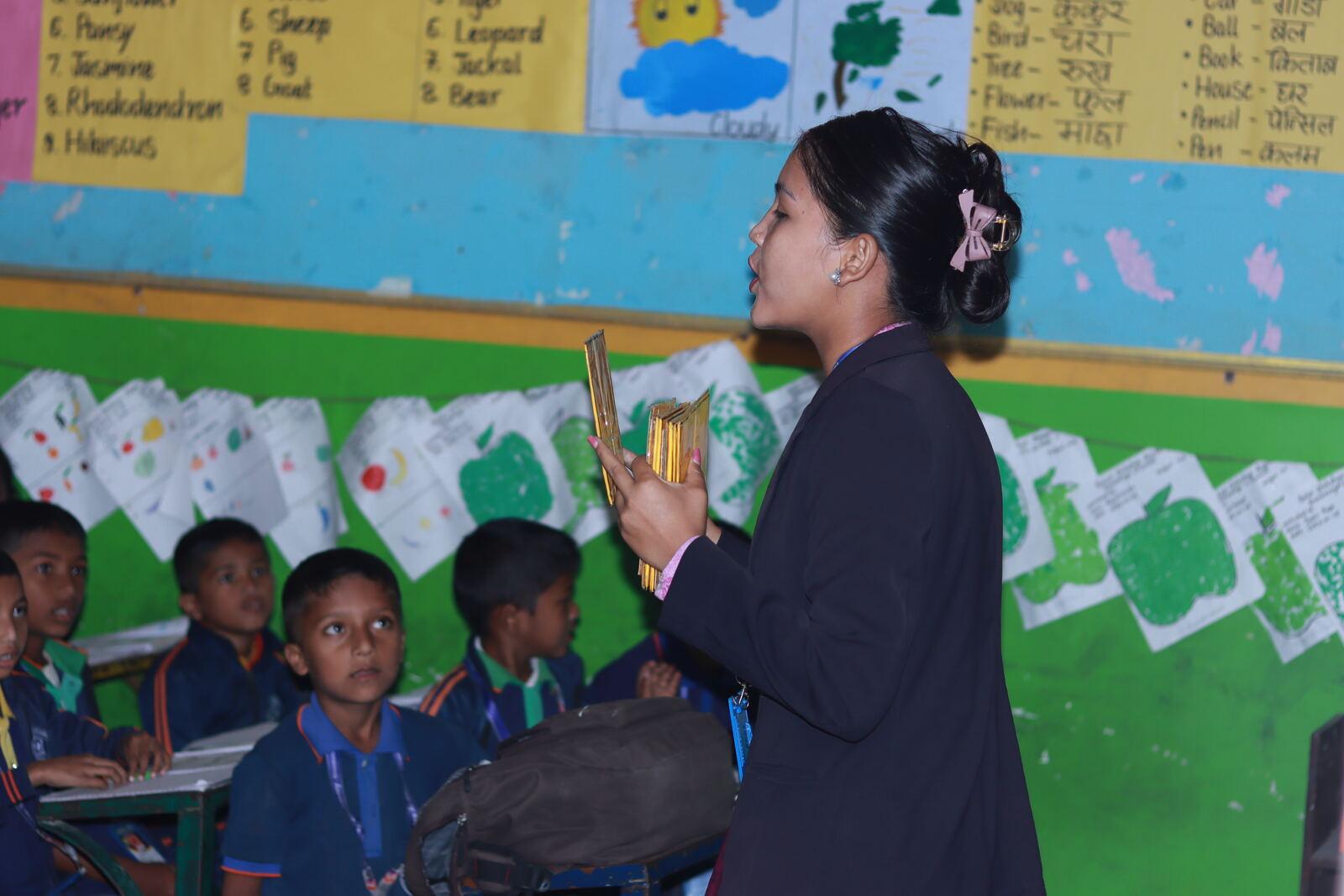 Engaging lessons
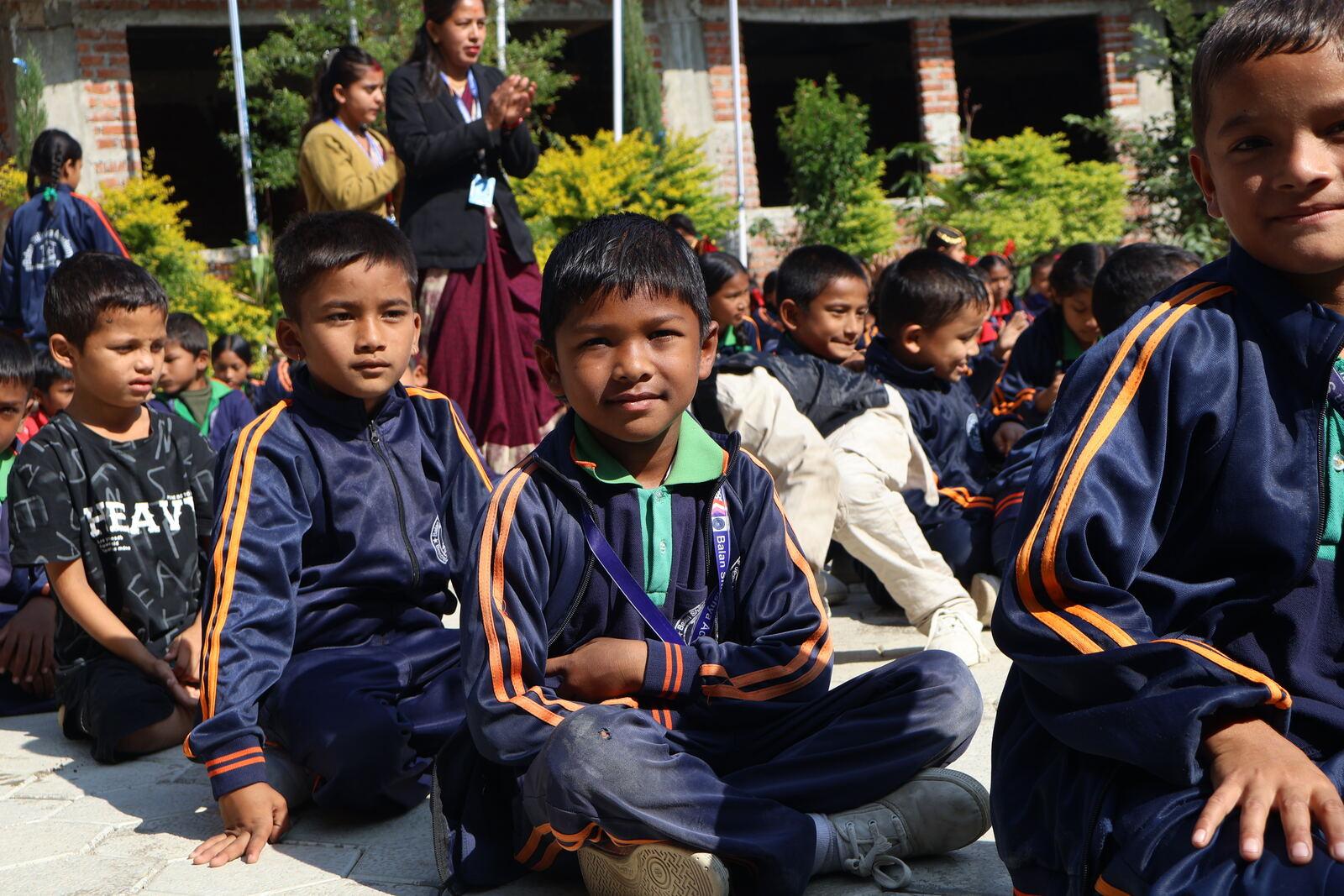 Learning together
 Learning outdoors
 Reading time
Admission open for Grades 1 – 3
Visit our classes, meet the teachers and ask about scholarships. Call 083-591535.